Why Calming Treats for Pets Are Gaining Attention Among Pet Owners
If you have ever watched your dog pace during a thunderstorm or your cat hide under the bed during fireworks, you already know that anxiety in pets is real and often hard to manage. Over the years, I have seen pet owners try everything from thunder shirts to Adaptil collars, and while those tools have their place, a quieter shift has been happening in the pet care aisle. More people are reaching for calming treats for pets, not as a quick fix but as a daily support tool. These aren't just flavored biscuits. They are carefully formulated supplements that aim to bring a pet's nervous system back to baseline without heavy sedation.
I first noticed the trend a few years ago when a friend's golden retriever started trembling at every car ride. She tried a thunder shirt, which helped a little, but the real change came when she added a daily chew with chamomile and L-theanine. Within a week, the trembling subsided, and the dog started hopping into the car with a loose tail. That experience stuck with me because it showed how nutraceutical approaches, when matched with the right ingredients, can genuinely shift a pet's quality of life. And it is this kind of real-world result that has made calming treats for pets a staple in many households, including my own.
What Makes a Calming Treat Effective
The best calming treats for pets are not about masking fear. They work by supporting the body's natural relaxation pathways. Ingredients like chamomile, valerian root, and L-theanine appear again and again in products that actually deliver. Chamomile is gentle and widely used for mild nervousness, while valerian root has a more pronounced sedative effect, useful for higher-stress moments like vet visits or storms. L-theanine, an amino acid found in green tea, promotes relaxation without drowsiness, which makes it ideal for daily use.
Another common ingredient is melatonin for dogs, though I have learned to be cautious with it. Melatonin can help with sleep-related anxiety, but it is a hormone, and dosing matters a lot. I have seen dogs become lethargic or groggy when given too much. That is why I always recommend products that list exact milligram amounts and come from reputable brands like NaturVet or Zesty Paws. These companies put their formulations through testing and often include complementary ingredients like hemp seed oil or hemp seed powder to round out the effect.
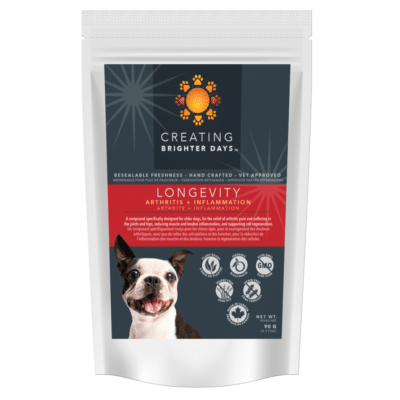
Pet CBD treats and pet CBD oil have also entered the conversation, and for good reason. CBD interacts with the endocannabinoid system in mammals, which helps regulate mood and stress. I have used pet CBD oil with my own anxious cat during moves, and the difference was noticeable within thirty minutes. However, not all CBD pet products are created equal. You want to look for USA-made pet treats that come with third-party lab reports. Brands like Kush Station, which started in the hemp and wellness space, have brought that same attention to quality into their pet line. Their approach treats the animal's body as a whole system, not just a set of symptoms to suppress.
Beyond the Treat: A Multi-Layered Approach
No single product works for every pet. I have learned that the hard way. My neighbor's beagle, for example, did not respond to any chew or oil, but he settled down immediately with a thunder shirt and a dose of Rescue Remedy, a flower essence formula. Another friend swears by Adaptil collars for her travel-anxious cat. These collars release a synthetic version of a calming pheromone, and they work well for some animals, especially those who dislike eating supplements.
That said, I have found that combining tools often beats relying on one. A dog anxiety wrap can provide gentle pressure similar to swaddling, and when paired with a calming peanut butter spread on a lick mat, the distraction plus the pressure often breaks the anxiety cycle. For pets that need more sustained support, vet-approved calming supplements in chew form are easy to give and usually palatable. Many come in bacon flavor wraps or chicken-flavored soft chews, which makes administration simple even for picky eaters.
Ingredients to Look For and Those to Question
I always check the label before buying any calming product. The most reliable calming treats for pets include at least one of these: chamomile, L-theanine, valerian root, or hemp seed oil. Some also include magnesium or thiamine, which support nerve function. I avoid products that rely heavily on sugar or artificial flavors to mask poor ingredient quality. A good treat should have a short list of recognizable components.
One ingredient that deserves more attention is hemp seed oil. Unlike CBD, hemp seed oil does not contain cannabinoids, but it is rich in omega fatty acids that support skin, coat, and nervous system health. It is not a fast-acting sedative, but over time it can help lower a pet's baseline stress level. I use it as a daily topper for my dog's food, and I have noticed fewer startle reactions during walks.
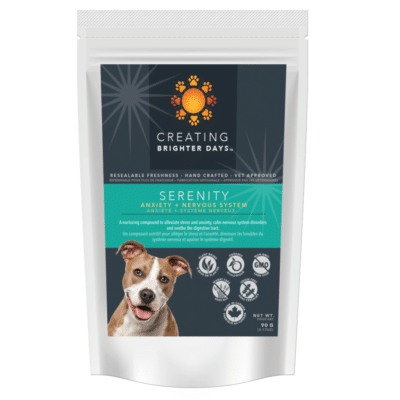
Melatonin for dogs is effective but should be reserved for specific situations like travel or fireworks, not everyday use. I have seen pet owners give it nightly out of habit, which can disrupt a dog's natural sleep-wake cycle. If you do use it, stick to products from Nutramax or similar brands that provide clear dosing guidelines. And always consult your vet before starting any new supplement, especially if your pet has underlying health conditions.
Real Products That Have Earned Their Reputation
Over the years, I have tried and recommended several brands. Zesty Paws makes a calming bite with chamomile, L-theanine, and hemp seed oil that works well for mild to moderate anxiety. NaturVet has a Quiet Moments chew that includes valerian root and melatonin, good for situational stress. Nutramax's calming line uses L-theanine and thiamine, and their chews are consistently well-tolerated. For pets who prefer a spreadable option, calming peanut butter from various brands can be smeared on a lick mat or inside a Kong toy. The act of licking itself is soothing for dogs, so the combination of flavor and activity amplifies the effect.
I have also seen good results with Rescue Remedy, which is not a treat but a liquid that can be added to water or applied to paws. It uses flower essences and is completely safe for cats and dogs. Some owners use it alongside Adaptil collars for a layered approach. And for pets that panic during storms, a thunder shirt or dog anxiety wrap plus a calming treat often provides enough relief to get through the worst of it.
Where to Start if You Are New to Calming Products
If your pet has never had a calming supplement, start low and go slow. Pick one product with a single active ingredient like chamomile or L-theanine, and give it for a few days in a calm environment. Watch for any changes in behavior, appetite, or energy. Then introduce it during a mildly stressful event, like a vacuum cleaner or a car ride. If the pet seems more relaxed, you have a winner. If there is no change, try a different ingredient or a different format, such as a chew versus an oil.
I also recommend keeping a simple log. Note the product, the dose, the situation, and how the pet acted. This helps you see patterns that might otherwise get lost in the daily shuffle. And do not be afraid to combine approaches. A thunder shirt plus a calming peanut butter lick mat plus a vet-approved calming supplement can cover multiple angles at once.

The pet wellness industry has matured a lot in the last decade. We now have options that go far beyond the old sedatives that left animals groggy and confused. Calming treats for pets, when chosen carefully, offer a gentle yet effective way to support emotional balance. Whether you reach for pet CBD treats from a trusted source like Kush Station, or stick with chamomile-based chews from NaturVet, the key is consistency and observation. Your pet cannot tell you in words how they feel, but they will show you through their body language, their appetite, and their willingness to engage with the world.
And sometimes, the simplest tool is the one that makes the biggest difference. A good treat, a quiet room, and some soothing music for pets playing softly in the background can turn a trembling animal into a relaxed one. That is the goal, and it is more achievable than most people think.